
Milazzo / Scappaticcio

by Nicola Milazzo
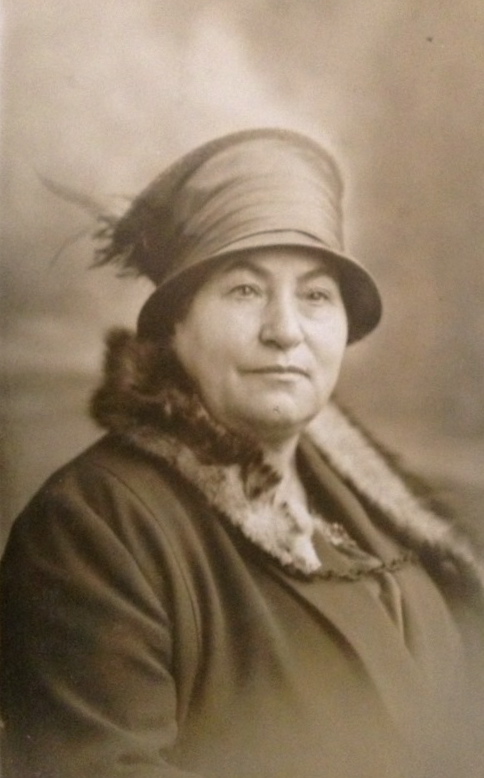
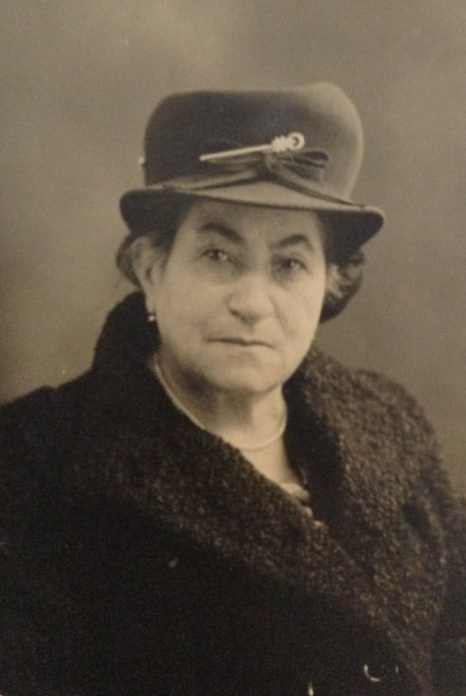
The Scappaticcio family, headed by Constantino and Teresa, came to the UK from their home in St Antonino near Cassino in the late 19th century, having reputedly walked across Europe to escape the famine in Italy.
[spoiler name=”Photo gallery”]








[/spoiler]
[spoiler name=”Slideshow”]
[/spoiler]
[spoiler name=”Video : Milazzo family interview”]
[/spoiler]
[spoiler name=”Family history” ]
Part 1
The Scappaticcio family, headed by Constantino and Teresa, came to the UK from their home in St Antonino near Cassino in the late 19th Century having reputedly walked across Europe to escape the famine in Italy.
They spent a number of years raising a family in Windsor, where in 1893 their son Dominic was born, before settling in Edinburgh at the start of the 20th Century, initially living in the Grassmarket area before settling in Leith. Tolina was born in Constitution Street in 1914, the last of 10 surviving children.
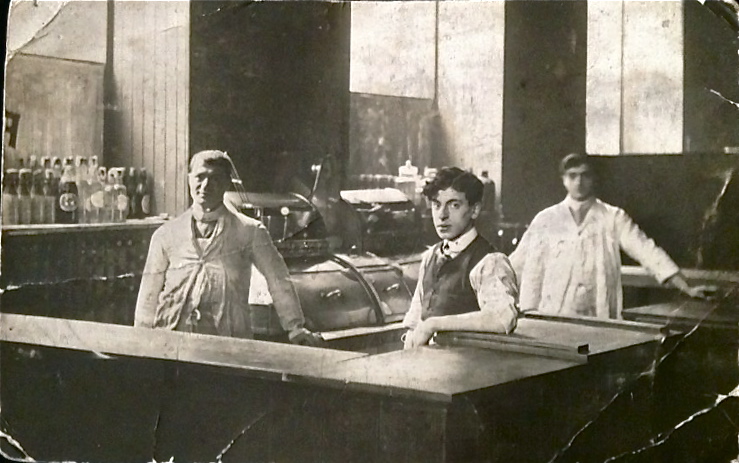
In common with many Italians coming to Scotland, the family would later go into catering, running chip shops and cafes, and beginning a long association with the Ice Cream industry that continues to this day. Elder brother Luca, in 1908, saved on signwriting and aided pronunciation by switching his fore and surnames to create the popular S. Luca’s ice cream brand, beginning with the still thriving Musselburgh shop and café.
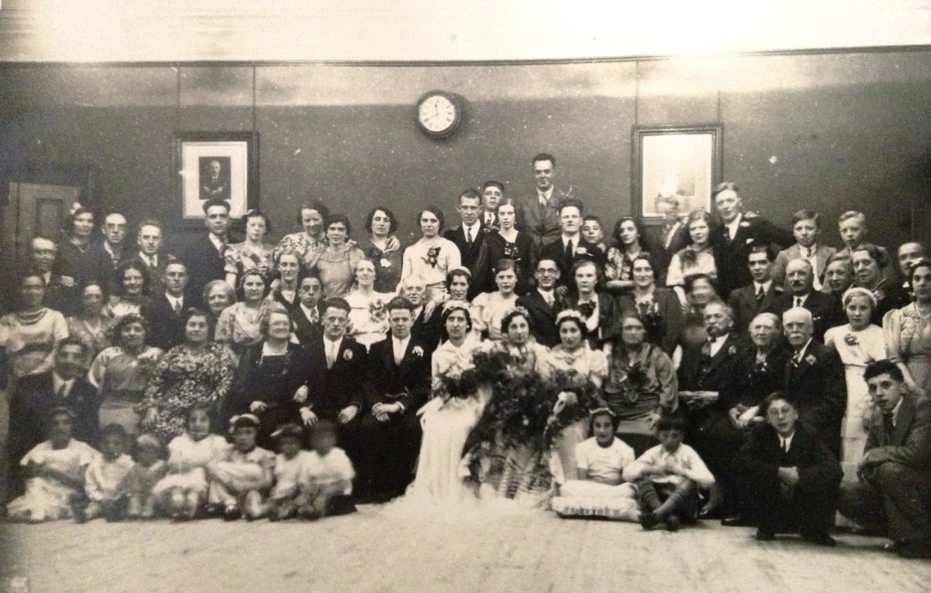
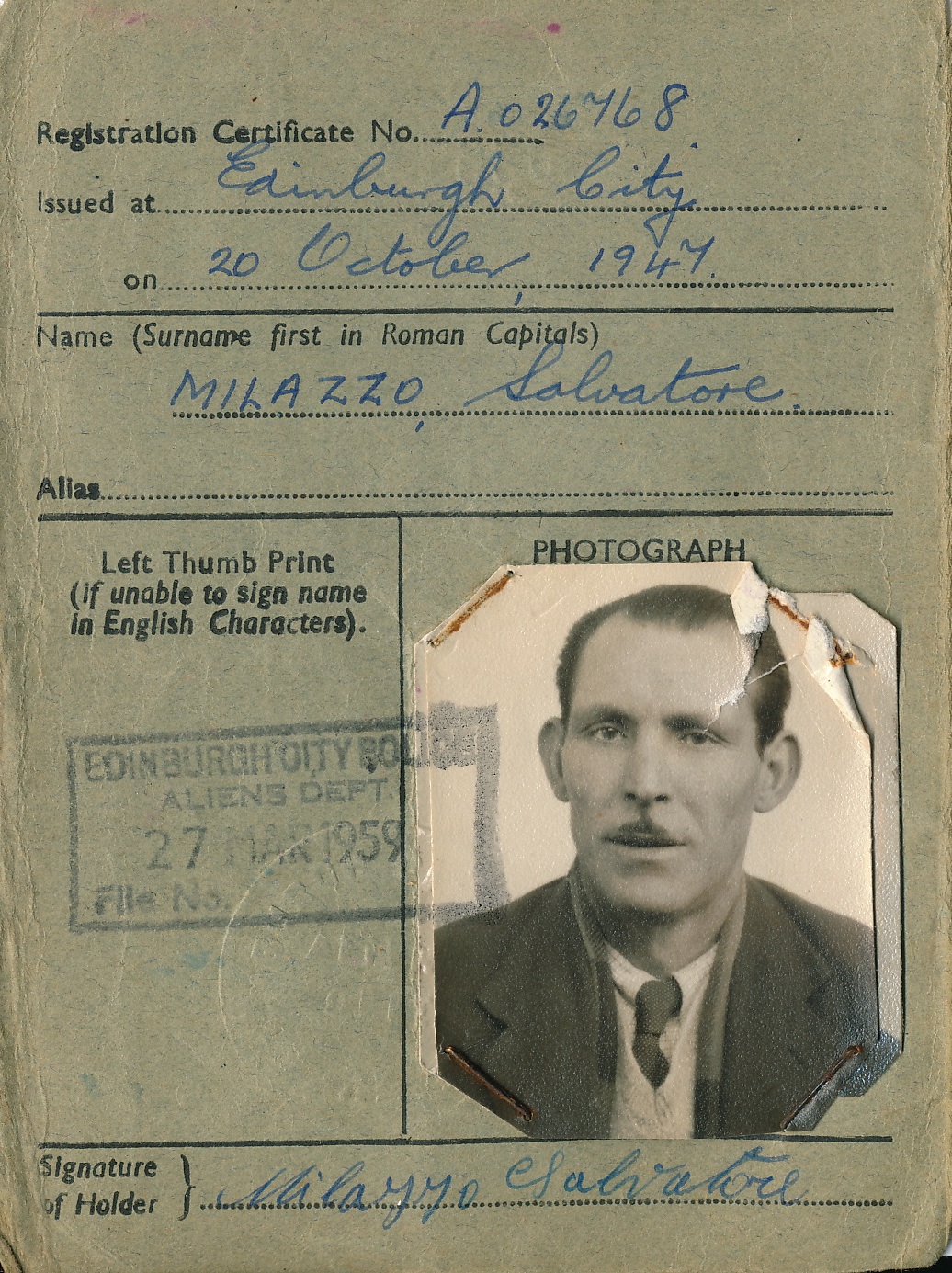
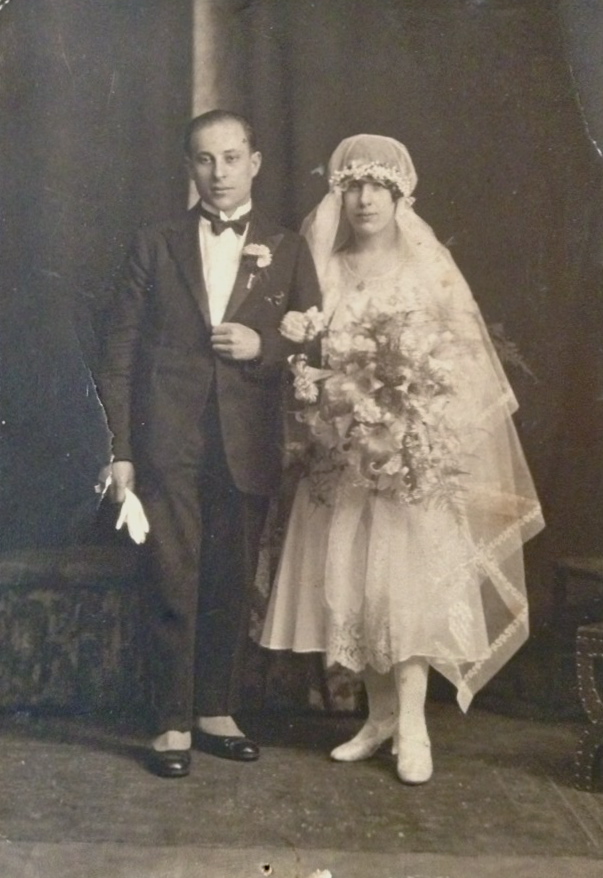
Sicilian Salvatore Milazzo came to the UK as a prisoner of war, having been captured in Libya in 1941. Originally Held in Bangalore, India, he was brought to Edinburgh’s Duddingston camp in March 1943, transferring to Dalmahoy on the outskirts of town where he was held until March 1946. He became a well-known figure in the local area when, trusted to go out and collect supplies for the camp, he could often be seen cycling around town in his prison uniform. He and Tolina met during this period, marrying in Sicily in 1946. Talented amateur photographer Dominic travelled through Europe with his younger sister and her new husband, documenting their trip back to war-ravaged Cassino. His striking images would be rediscovered and presented to a new audience more than 30 years after his death.
Part 2
Tolina and Salvatore finally chose to settle back in Edinburgh in 1947, where they raised their four sons whilst building their own ice cream business – Samm’s Ices. Beginning with ice-cream bought in from Nu-Crème ices on the Southside and a van with such a low ceiling that it needed a hole in the floor to enable the server to stand up in it, Samm soon built up the business. He began producing his own ice cream – to Dominic Scappaticcio’s recipe – and opened his first factory in a now-demolished tenement building in Gordon Street, Leith, where his sons would join him in the business as they became old enough. He was, we believe, the first in Scotland to have a purpose-built ice-cream van, crafted in Bellshill over a period of months using the chassis of a taxi.
In the late 1970s, the business moved to larger and better-equipped premises in Broughton Market, where they stayed for over a decade before rebranding as The Milazzo Family Italian Ice Cream Company and returning to Jane Street in Leith, only yards from the original Gordon Street site. The family built up a reputation for innovation with new products and flavours, and was the first to successfully produce a real Scotch whisky ice-cream. Sadly, however, the business ceased to trade in 1991.
Whilst the family presence is still maintained in the ice cream and catering industries, in recent years some of the younger generation of Italo-Scots has followed Dominic’s creative lead, having branched out into careers in the arts and technology.
Dominic Scappaticcio – ‘The Wee Green Book
Sometime in the mid-1970s, Francis Milazzo was given a gift from his mother Tolina – a small album of photographs taken by her brother Dominic Scappaticcio during the journey through Europe that they made together in 1946 and 1947 at the time of her marriage to Sicilian Salvatore Milazzo. The Wee Green Book, as it became known, was filled with Dominic’s beautiful, highly detailed images, carefully pasted into the album with the minimum of handwritten information to identify them.
Within the family we always knew they were special pictures – even as small and faded contact prints their beauty was unmistakeable. In his trip across Europe, Dominic had captured weary market shoppers and wary fellow travellers; people trying to live their lives amongst the devastation and displacement of the aftermath of war. One leg of the journey had involved a trip back to the original family hometown of Cassino, reduced to a heap of rubble during the battle of Monte Cassino in 1944. Dominic found the town slowly finding its feet two years later as life struggled on and new buildings sprang up amongst the dereliction.
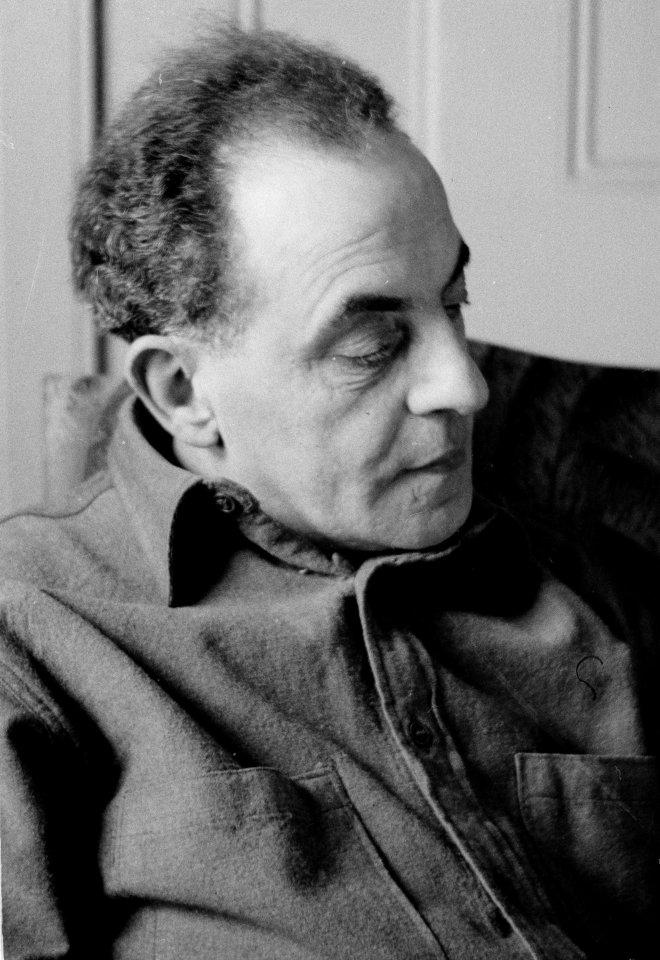

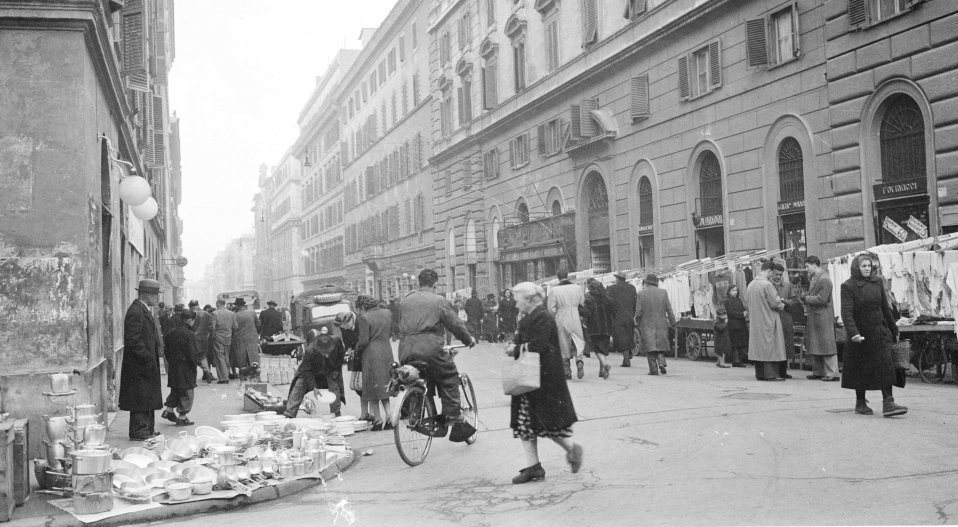


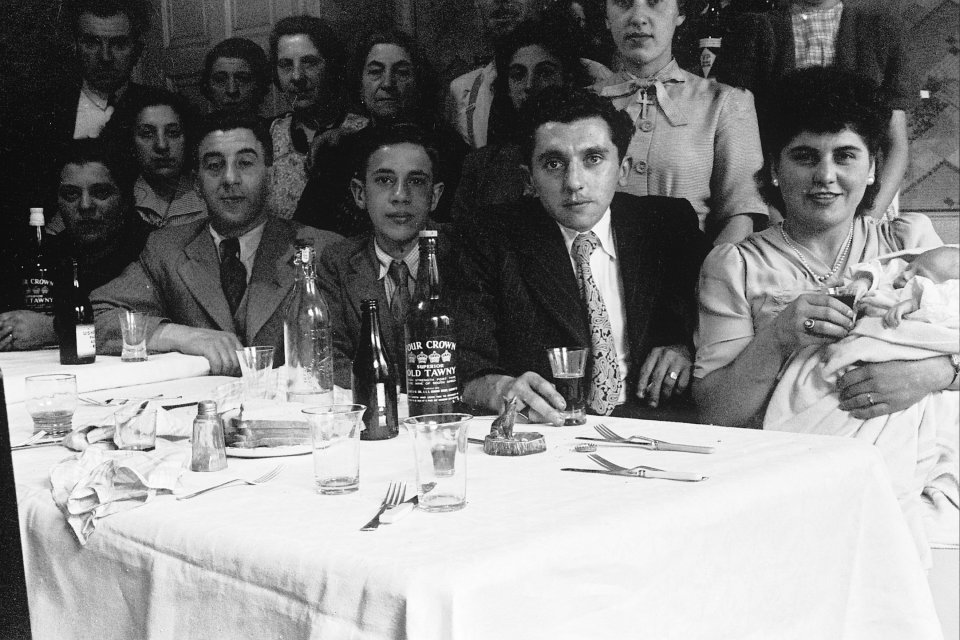


Dominic Scappaticcio – Photographer
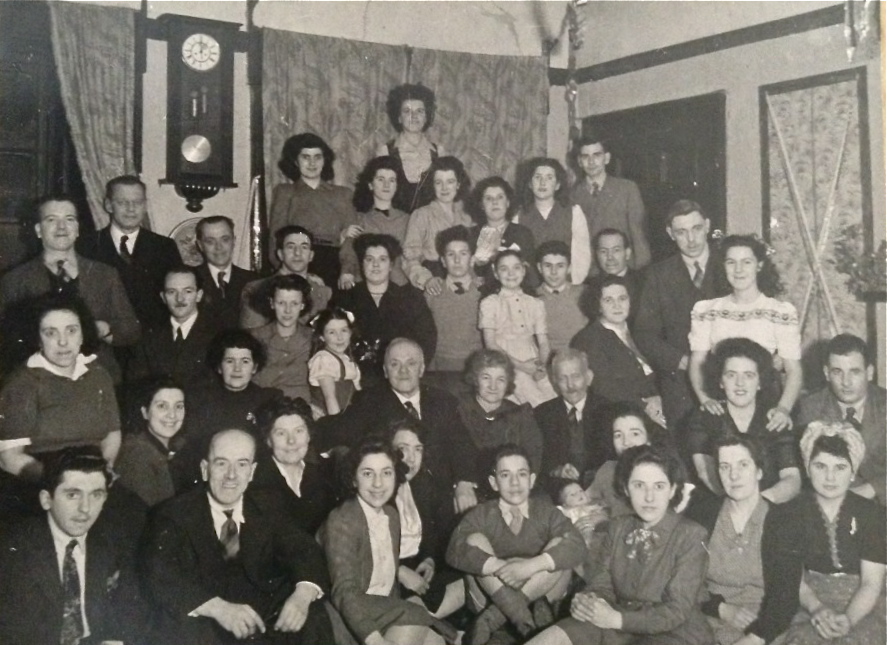
The album would have been destined to remain as a quietly treasured family heirloom were it not for the chance discovery of the negatives some 30 years after Dominic’s death, when a leaky roof in a random Edinburgh house led to an incredible coincidence. A friend of the homeowner went to check on the leak only to discover a box of negatives sitting unprotected and gathering dust in the loft. Remarkably the finder recognised the young couple in the dusty negative images as the parents of his friend Frank Milazzo and saw to it that they were returned to their rightful owner. The box contained not only the bulk of the negatives from the Wee Green Book – but also a host of other gems in surprisingly good condition, despite a few battle scars from their 50 year spell in the attic. There were not only more images from the journey, but pictures taken in Scotland – a barren looking Leith Links in the aftermath of war, the trees shorn of their leaves, and hopeful images of the family group at the christening of Tolina and Salvatore’s first child, Vittorio.
The discovery of the negatives opened up a whole new world for the photographs. For the first time ever they could be properly enlarged, showing not only the excellent technical quality with their detail and sharpness, but also the artistry and skill which had gone into producing them. This gave us the opportunity to introduce them to a much wider audience, with Vittorio initially securing an exhibition at Edinburgh’s Italian Cultural Institute, thus beginning a trail that has led to their publication by the Italo-Scottish Research Cluster.
Dominic was lucky in that at this time he had in his possession a relatively lightweight Voigtlander camera, which was capable of producing a huge 6.5 x 11cm negative. He did not need a fancy camera to produce a beautiful image – his later 35mm shots of life in Edinburgh are testament to that – but the sharp detail allowed by this particular camera, coupled with the bustling subject matter, produced something very special. We will never know exactly how he came by this camera – nor what became of it afterwards – but given the postwar setting and Dominic’s enterprising nature it is tempting to imagine some sort of barter transaction on the deck of the SS. Invicta.
In many ways, Dominic was not the obvious candidate to have produced such an exceptional body of work. He was born to an Italian immigrant family in Windsor, England in 1893, after they had reputedly walked across Europe to the UK to escape the famine in their home country. He was entering his teens by the time they settled in the Grassmarket area of Edinburgh in the first years of the 20th century, one of a family of 10 surviving children.
Dominic Scappaticcio – history
Dominic travelled to the US at the age of around 17 with his elder brother John, where they settled in Detroit and worked on The Ford Motor Company assembly line producing the famous Model T. On his return a few years later, legend has it that he brought to Scotland one of the first one-armed-bandit machines to appear in the country, and also the recipe for making soft mallow ‘snowballs’. He would later use this to his advantage as he became a partner in a factory mass-producing the sweet, eventually selling the business to the company which continues to produce them to this day.
Family memories of Dominic conjure up the idea of a colourful and interesting character, an intelligent man with an enquiring mind who would solve the problems in his nephews’ school maths books just for fun, a man full of ideas who was also no stranger to a bit of ducking and diving. On divorcing his wife in 1933, Dominic spent 6 months in Edinburgh’s Calton Jail after refusing to pay alimony, being reluctant to, as he saw it, fund his ex-wife’s penchant for going to the dancing. However, even here he made the best of things as an earlier foray into haircutting – courtesy of his barber brother Louie – stood him in good stead as he could provide haircuts to his fellow inmates.
On the face of it, Dominic may not have been the obvious candidate to produce such an incredible body of work. However, considering his adventurous nature and his ability not only to cope with challenging circumstances but to take something positive from them, perhaps it would have been more surprising had he not come up with something this remarkable. We know that Dominic would have been thrilled to see his work meet with a whole new audience outside of the family.
Nicola Milazzo
No-Where-Next | War-Diaspora-Origin Dominic Scappaticcio . A Journey (1946-1947)
[/spoiler]